Posted by Nydia Streets of Streets Law in Florida Family Law Procedure
When an appeal is filed in a Florida family law case, the trial court may have limited jurisdiction to proceed with making further rulings in the case. How do we determine what matters the trial court can rule on while an appeal is pending? This was an issue in the case Saenz v. Sanchez, 3D23-1402 (Fla. 3d DCA October 18, 2023).
Posted by Nydia Streets of Streets Law in Florida Family Law Procedure
What makes a Florida family law order appealable? The Florida Rules of Appellate Procedure specify what types of orders are appealable. Orders generally fall into two categories for purposes of appeal: final and non-final. A final order means judicial labor is concluded and nothing remains to be done. A non-final order is the opposite. This was an issue in the case Obermark v. Obermark, 5D22-2479 (Fla. 5th DCA September 22, 2023).
Posted by Nydia Streets of Streets Law in Florida Family Law Procedure
When a default is entered against a party in a Florida family law case, this might mean the party against whom the default has been entered will not be able to challenge certain findings made against him or her. A default has the effect of making it so that the party against whom default has been entered admits all of the well-pled allegations of the opposing party’s petition. So, for example, if a husband states in his petition that the wife has the ability to pay alimony, if a default is entered against the wife, she admits that she has the ability to pay alimony. Entry of a default was an issue in the case City of Miami v. Marcos, 3D22-1444 (Fla. 3d DCA September 13, 2023).
Posted by Nydia Streets of Streets Law in Florida Family Law Procedure
When attorney’s fees are requested in a Florida family law case under Florida Statute 61.16, the primary consideration is need and ability to pay. According to that statute “The court may from time to time, after considering the financial resources of both parties, order a party to pay a reasonable amount for attorney’s fees, suit money, and the cost to the other party of maintaining or defending any proceeding under this chapter, including enforcement and modification proceedings and appeals.” This was an issue in the case Ali v. Khan, 6D23-1199 (Fla. 6th DCA September 1, 2023).
Posted by Nydia Streets of Streets Law in Florida Family Law Procedure
What can I do if I do not agree with the recommended order of the general magistrate in my family law case? This is a question asked by many who have had their case heard by a magistrate and are wondering what to do if the findings contained in the recommended order are inaccurate. This was an issue in the case Gatchell v. Kryvosheia, 5D22-2010 (Fla. 5th DCA September 1, 2023).
Posted by Nydia Streets of Streets Law in Florida Family Law Procedure
What is the deadline to file a motion requesting reimbursement of costs in a Florida family law case? In a recent appellate case, the decision by the trial court to apply a “reasonable time” standard in deciding if a motion to tax costs was timely was reviewed. The case is Mollerstrom v. Zambrana, 4D22-2670 (Fla. 4th DCA August 30, 2023).
Posted by Nydia Streets of Streets Law in Florida Family Law Procedure
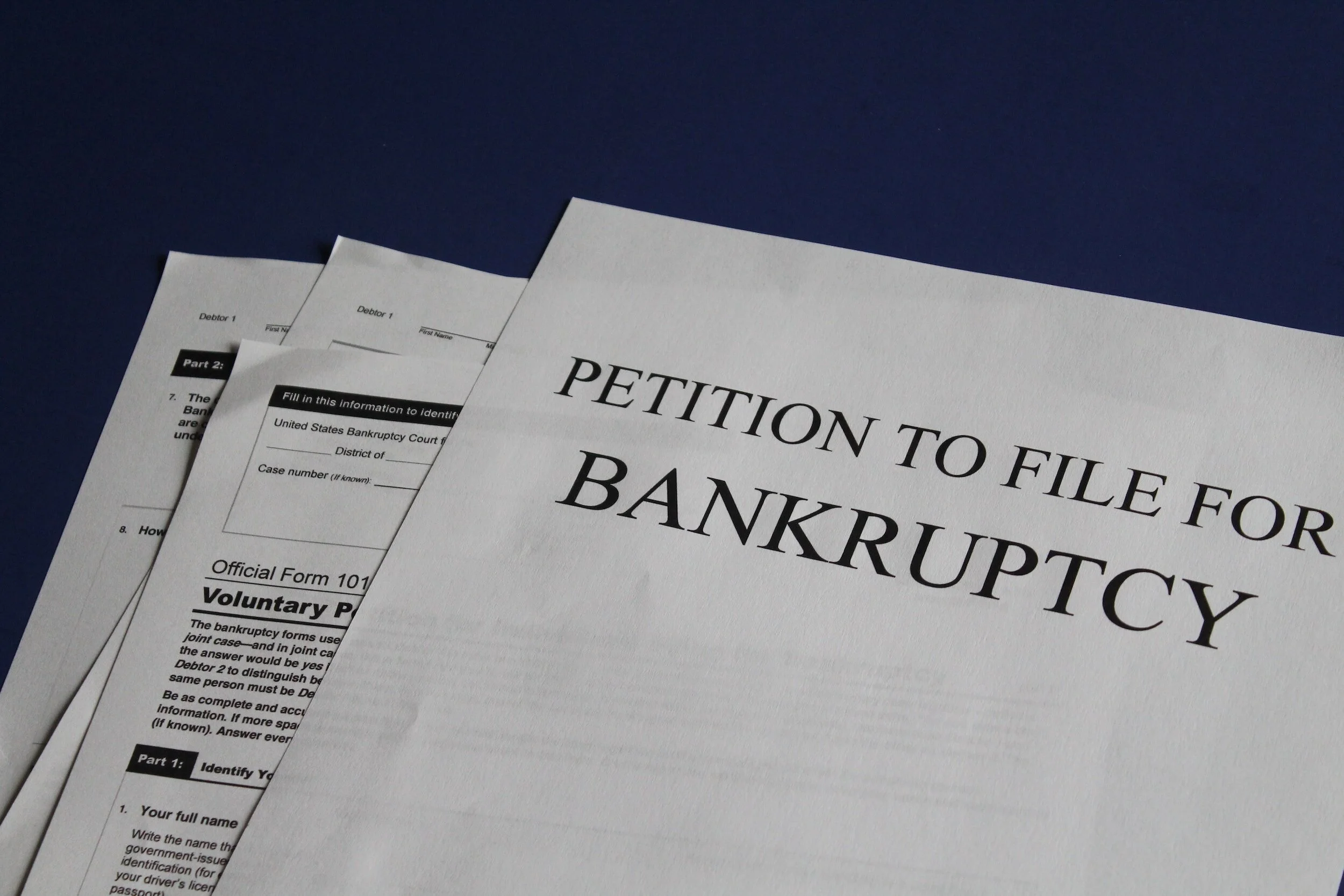
Can a Florida family law judgment make a payment owed from one party to the other non-dischargeable in bankruptcy? For example, if a court orders that one party pay the other party’s attorney’s fees, can the court order that this payment be non-dischargeable? This was an issue in the case Polo v. Martinez, 3D23-249 (Fla. 3d DCA August 30, 2023).
Posted by Nydia Streets of Streets Law in Florida Family Law Procedure
When a Florida family law order is appealed, the issue being appealed is generally removed from the jurisdiction of the trial court. This means the trial court cannot make decisions related to the issue until the appellate court rules otherwise. This was an issue in the case Stivelman v. Stivelman, 3D22-2216 (Fla. 3d DCA August 30, 2023).
Posted by Nydia Streets of Streets Law in Florida Family Law Procedure
Deadlines for appealing your Florida family law case are generally strict and must be followed to avoid dismissal of your case. This was an issue in the case Vakulovska v. Vakulovskyi, 3D23-1354 (Fla. 3d DCA August 23, 2023).
Posted by Nydia Streets of Streets Law in Florida Family Law Procedure
Are a judge’s contempt powers limitless in a Florida family law case? The short answer is no. As cited in a recent appellate opinion, “[p]unishment for contempt of court is allowed to be imposed, not to satisfy an offended judge, but to vindicate the authority and dignity of the judicial office; and the penalty should have reference to the nature and enormity of the act complained of and to the wrong done to the court.” Hason v. Hason, 2D22-1396 (Fla. 2d DCA August 18, 2023).
Posted by Nydia Streets of Streets Law in Florida Family Law Procedure
When a motion to disqualify a judge is filed, the judge reviews the motion and has a deadline by which to rule on the motion before it is automatically granted. If the judge issues a timely order on the motion, the order must meet certain requirements set forth in rules of procedure. This was an issue in the case Jada v. Harrison, 5D23-535 (Fla. 5th DCA August 11, 2023).
Posted by Nydia Streets of Streets Law in Florida Family Law Procedure
When a Florida family law case is decided on appeal, the appellate court usually remands the case to the trial court with instructions on how to proceed in the case. The trial court is bound by those instructions. What can a party to the case do if the trial court fails to follow the instructions? This was an issue in the case Temple v. Melchione, 6D23-2180 (Fla. 6th DCA July 28, 2023).
Posted by Nydia Streets of Streets Law in Florida Family Law Procedure
If a spouse re-marries, is the new spouse’s financial status relevant to a petition for modification of Florida child support? Since the new spouse has no legal duty to provide support to step-children, the new spouse’s financial information is normally irrelevant to a child support calculation. This was an issue in the case Gay v. Mann, 5D23-68 (Fla. 5th DCA July 28, 2023).
Posted by Nydia Streets of Streets Law in Florida Family Law Procedure
What does it mean when an issue is “tried by consent” in a Florida family law case? This means that although an issue was not brought up in a motion or pleading, the parties agreed for it to be determined at a hearing because they did not object when the issue was discussed at the hearing. Trial by consent was one matter covered in the case Nasef v. Eddy, 4D22-3046 (Fla. 4th DCA July 26, 2023).
Posted by Nydia Streets of Streets Law in Florida Family Law Procedure
If a party appeals a Florida family law order, but the case is later resolved by agreement before the appellate court has ruled, the party has a duty to inform the appellate court. This is likely so that judicial labor is not wasted. This was an issue in the case Carter v. Meadows, 1D22-1952 (Fla. 1st DCA July 19, 2023).
Posted by Nydia Streets of Streets Law in Florida Family Law Procedure
Injunctive relief in a Florida family law case is most commonly granted in domestic violence cases. However, injunctive relief is also applicable to other matters. It is appropriate to ask for injunctive relief when a party wants someone else to stop doing something that will cause irreparable harm. An example of this type of injunctive relief and the requirements for it is examined in the case Pyrinova v. Doyle, 4D22-3307 (Fla. 4th DCA June 21, 2023).
Posted by Nydia Streets of Streets Law in Florida Family Law Procedure
When parties are ordered to submit their proposed final judgments to the court to sign, the court must still use independent judgment in deciding which order to sign. When a court adopts an order verbatim, it may indicate independent judgment did not occur. This was an issue in the case King v. King, 4D22-1493 (Fla. 4th DCA June 21, 2023).
Posted by Nydia Streets of Streets Law in Florida Family Law Procedure
When a hearing is held before a general magistrate in a Florida family law case, a recommended order is entered. If a party disagrees with the recommended order, that party may file a motion to vacate the recommended orders within a certain timeframe. This was an issue in the case Valcarcel v. Valcarcel, 4D22-3257 (Fla. 4th DCA May 31, 2023).
Posted by Nydia Streets of Streets Law in Florida Florida family law procedure
When a judge does not allow a party to present his or her case before ruling on a motion, due process concerns are raised. In addition, that party might feel he or she will not receive a fair trial in front of that judge. A motion for disqualification may be appropriate. This was an issue in the case Domnin v. Domnina, 4D23-412 (Fla. 4th DCA May 24, 2023).
Posted by Nydia Streets of Streets Law in Florida Florida family law procedure
What is a default in a Florida family law case? A default is entered “[w]hen a party against whom affirmative relief is sought has failed to plead or otherwise respond as provided by these rules or any applicable statute or any order of court.” Fla. Fam. L. R. P. 12.500(b). The consequence of a default is that the party against whom it has been entered admits all of the well-pled allegations of the petition. So for example, if the petition states “Wife has the ability to pay alimony” and a default is entered against the Wife, Wife technically admits that she has the ability to pay alimony. Can a default be cancelled? This was an issue in the case Wolf v. Peter M. Habashy, P.A., 4D22-3122 (Fla. 4th DCA May 24, 2023).